- BY QiaoMing
- Project Cases
- 2026-06-02
- 0
ASTM A342 Magnetic Permeability Testing of 316LN Stainless Steel: Why Inspection Location Matters
ASTM A342 Magnetic Permeability Testing of 316LN Stainless Steel: Why Inspection Location Matters
Introduction
Magnetic permeability is an important property for 316LN stainless steel used in nuclear power, MRI systems, scientific instruments, and other low-magnetic applications.
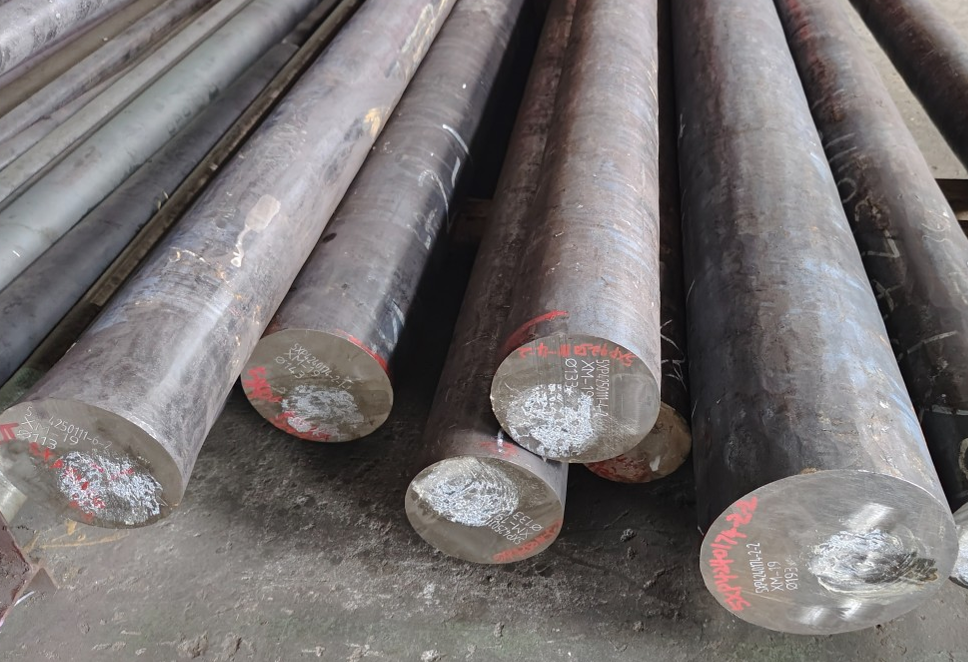
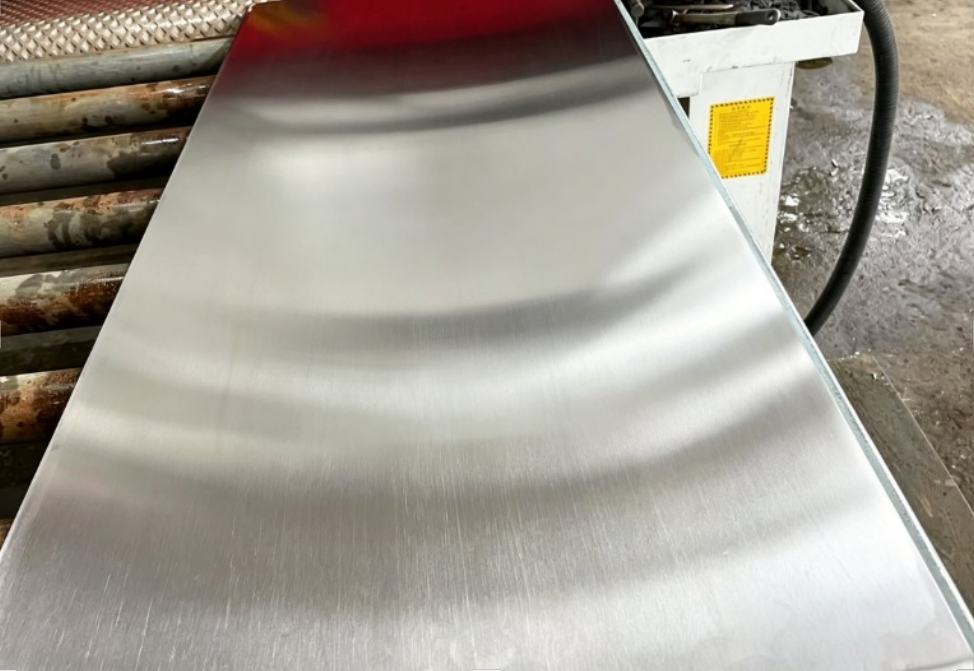
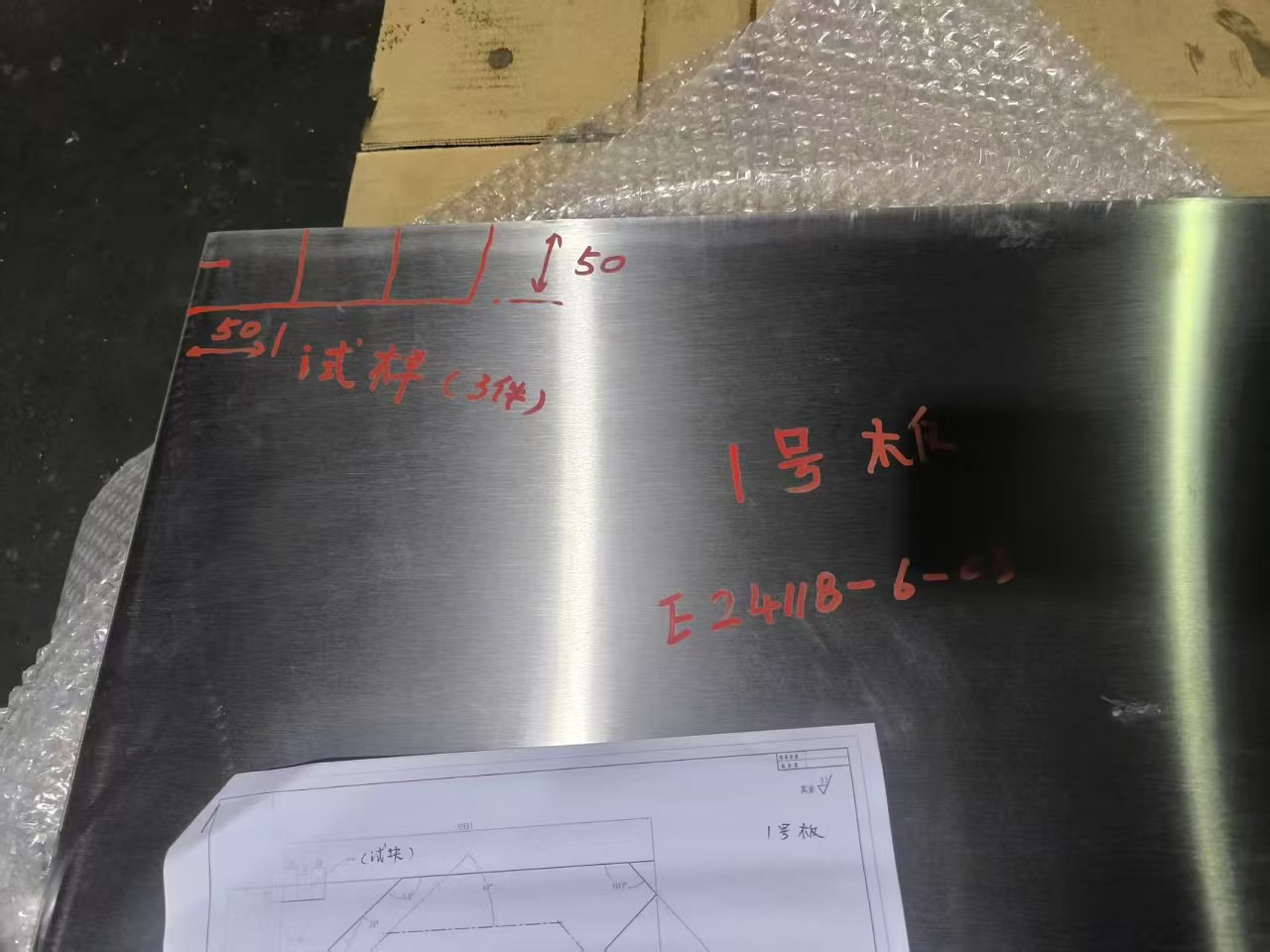
Recently, we encountered a case involving a 65 mm thick 316LN stainless steel plate. The material met the specified permeability requirements after solution annealing, but higher values were later detected at the flame-cut edges
This raised an important question: Does ASTM A342 specify where magnetic permeability should be measured?
Project Background
The material was supplied with a magnetic permeability test report issued by the steel mill after solution annealing.
During the customer's inspection, measurements taken on the original plate surface met the requirement, while measurements at the flame-cut edges showed higher values.
Since all samples originated from the same heat and the same plate, the difference could not be attributed to material batch variation.
What Does ASTM A342 Specify?
ASTM A342/A342M is a standard that provides methods for measuring magnetic permeability of weakly magnetic materials.
The standard defines:
Test methods
Measurement procedures
Instrument requirements
However, ASTM A342 does not specify:
Measurement locations
Surface preparation requirements
Number of test points
Whether flame-cut edges should be included in acceptance testing
This is often overlooked in project specifications.
Sample Verification
To better understand the discrepancy, six specimens were retained and tested.
The samples included:
1.Supplier arbitration samples
2.End-user retained samples
3.Independent third-party laboratory samples
All specimens were taken from the same plate.
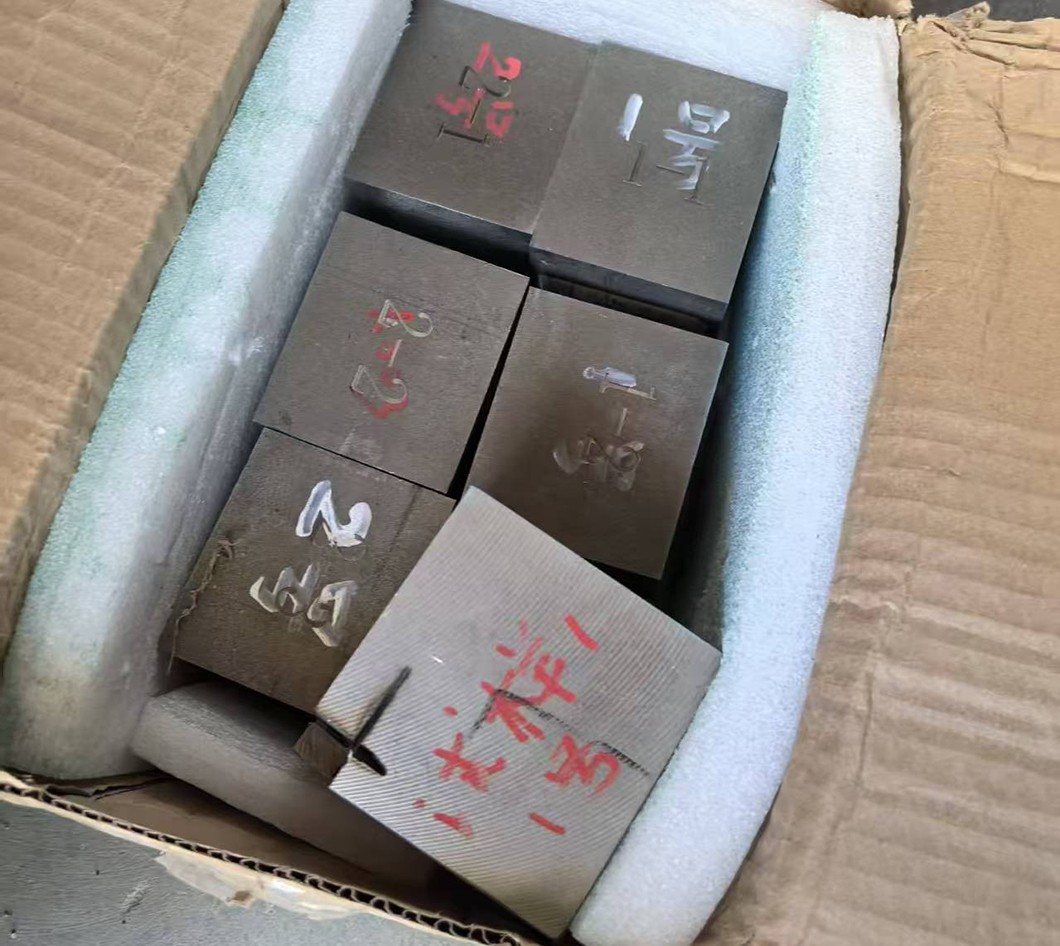
Figure 1. Retained samples from different parties
Test Results
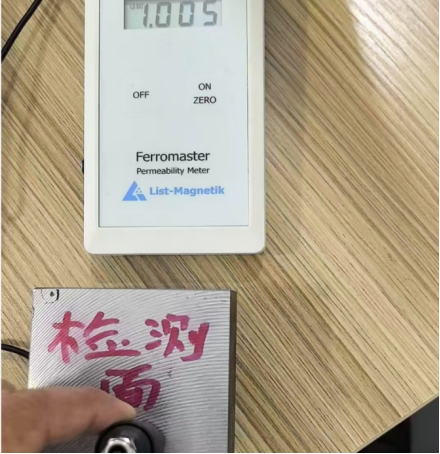
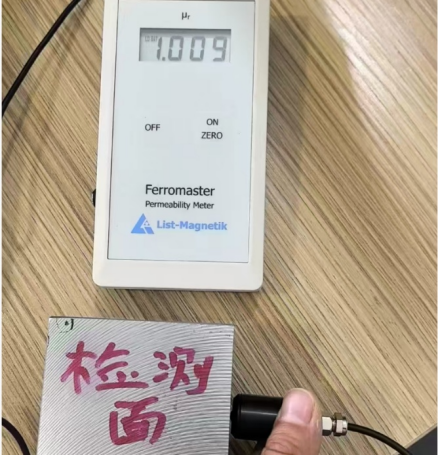
The measured permeability values varied depending on the inspection location and surface condition.
Measurements performed on machined plate surfaces remained relatively consistent, while higher values were observed at flame-cut edges.
This indicates that inspection location can significantly influence magnetic permeability results, even when the same material and test method are used.
Table 1. Magnetic permeability results of retained samples
Key Takeaway
One of the most important lessons from this project is that specifying ASTM A342 alone may not be sufficient for critical low-magnetic applications.
When magnetic permeability is a key acceptance criterion, project documents should clearly define:
Measurement location
Surface condition
Acceptance criteria
Whether cut edges are included in inspection
Without these details, different parties may obtain different results while following the same testing standard.
Conclusion
This 316LN thick plate project demonstrates that ASTM A342 provides a recognized testing method, but it does not specify where measurements must be taken.
In our case, all samples came from the same heat and the same plate, yet different inspection locations produced different permeability readings.
For low-magnetic stainless steel applications, clearly defining inspection requirements is just as important as specifying the material itself.
Categories
Recent Post
-
FV520B Performance and Application In-depth Guide
-
Exploring PH13-8Mo Stainless Steel: A Star Material with Outstanding Performance
-
Precision Manufactured Hastelloy C276 Seamless Pipes with Individual Protective Packaging
-
316L Stainless Steel Precision CNC Machined Female Threaded Connector
-
S46500 Super Martensitic Stainless Steel Offshore Engineering Case