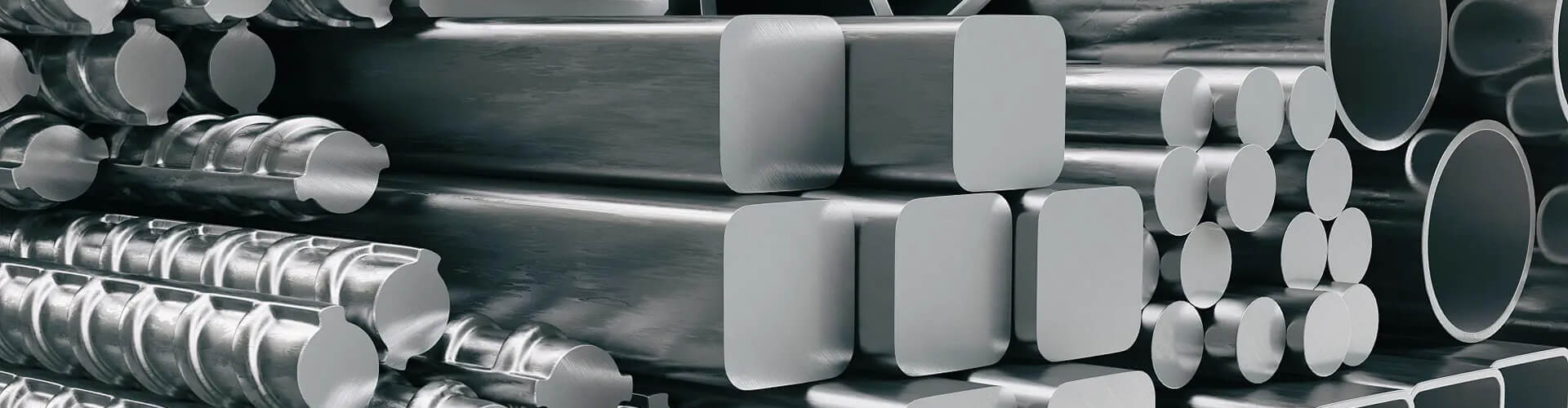
17-4PH is a martensitic precipitation hardening stainless steel with high strength, high hardness and moderate corrosion resistance. It achieves excellent mechanical properties through aging heat treatment, featuring good toughness, wear resistance and outstanding dimensional stability. This alloy combines the advantages of stainless steel and high-strength structural steel, suitable for mechanical parts, valve components, aerospace fittings and chemical equipment parts.
15-5PH is a martensitic precipitation hardening stainless steel with improved toughness and ductility compared to 17-4PH. It features high strength, good hardness, superior corrosion resistance and excellent transverse mechanical properties. After solution annealing and aging treatment, it delivers stable structural performance, good wear resistance and outstanding dimensional stability. Widely used in aerospace components, food processing equipment, oil and gas parts, valve accessories and high
XM-19 / S20910 is a high-nitrogen strengthened austenitic stainless steel. It combines exceptional high strength, excellent corrosion resistance and fully non-magnetic properties. Its yield strength is nearly twice that of conventional 316L stainless steel, providing outstanding resistance to pitting, crevice corrosion and chloride stress corrosion. It maintains excellent toughness and structural stability from cryogenic to elevated temperatures, and features good weldability and formability. Wi
904L is a low-carbon high-alloy austenitic stainless steel containing high nickel and molybdenum content. It provides excellent resistance to uniform corrosion, pitting, crevice corrosion and stress corrosion cracking in harsh acidic and chloride-rich environments. With good ductility, weldability and outstanding resistance to sulfuric acid, phosphoric acid and seawater corrosion, it performs stably in long-term harsh industrial service. It is widely applied in chemical industry, desalination, p
316L is a low-carbon molybdenum-bearing austenitic stainless steel. The addition of molybdenum greatly enhances its resistance to pitting, crevice corrosion and chloride corrosion. With excellent oxidation resistance, good ductility, weldability and cold working performance, it can effectively avoid intergranular corrosion. It is widely used in chemical processing, marine equipment, food machinery, medical devices and general industrial corrosion-resistant components.